
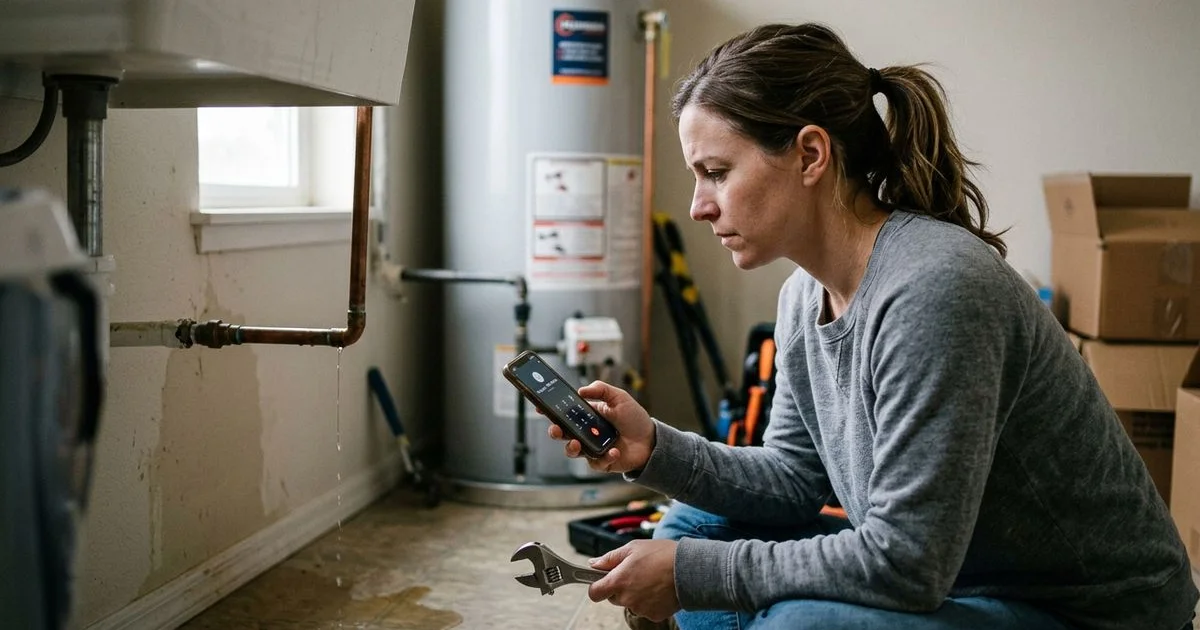
Is it a plumbing emergency or should you “schedule it”?
You know the feeling when water starts pooling where it shouldn’t. You immediately start wondering, is it a plumbing emergency, or just a nuisance?
We see this panic daily here at Arvada Pro Plumbing.
That reaction is completely understandable. The dividing line usually comes down to whether the issue is actively causing property damage or a safety risk right this second.
Our team has found that understanding the true plumbing emergency definition saves you serious money.
Making emergency plumbing calls will cost more because technicians deploy immediately after hours.
Knowing when to call an emergency plumber and when to wait keeps response teams available for neighbors who actually need them.
So, let’s look at the facts and outline a practical way to respond.
True emergencies: call right away
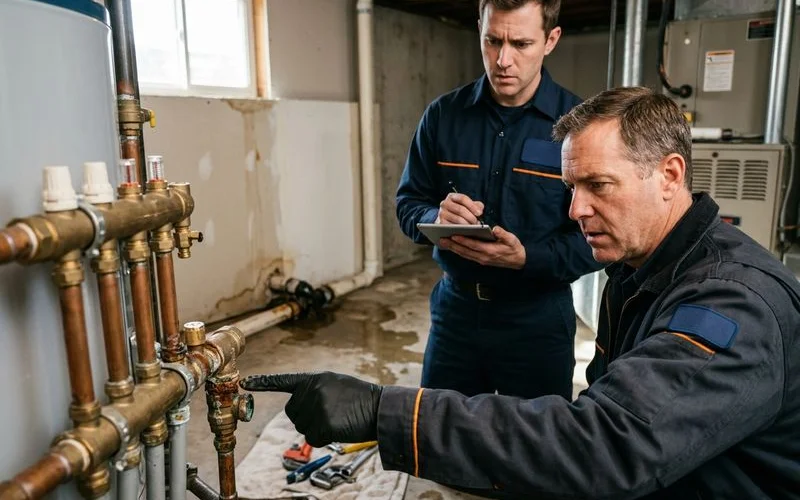
These conditions actively cause property damage or pose an immediate safety risk. They warrant a rapid response at any hour.
We tell clients that a rapid reaction stops bills from skyrocketing. Local data shows that water damage restoration in Colorado averages between $2,500 and $7,500.
Catching the problem early is your best defense against those massive repair bills.
Burst pipes or major active leaks
Water spraying or pooling rapidly means destruction is happening every minute it continues. Shut off your main water valve immediately.
Our technicians frequently see this during Colorado cold snaps when freezing water expands. This expansion exerts up to 2,000 pounds per square inch of pressure, which shatters copper and PVC alike.
Prompt action prevents the need for specialized excavation repairs, which run between $1,500 and $4,000 locally.
Sewer backups
Raw sewage coming up through a drain creates a severe health hazard and a massive damage event. Stop all water use immediately.
We classify this as Category 3 water damage due to the dangerous pathogens involved.
Category 3 water damage requires specialized extraction and sanitization procedures to restore a safe living environment.
Ignoring a main sewer line backup exposes your family to raw waste and increases sanitization costs. Contact a professional the moment you see waste backing up into tubs or showers.
No water at all in the entire home
A completely dry system could indicate a main line break, a frozen supply line, or a localized utility outage. Check with your neighbors first to see if their supply is also disrupted.
Our dispatchers always ask if anyone recently bumped the main shutoff valve by accident.
During a freezing Arvada winter, lack of flow requires a same-day response before the entire system freezes solid.
No hot water in cold weather
Losing heating capability becomes a severe safety issue during freezing Colorado winters. Pipes located in unheated basements or crawl spaces easily freeze when warm water stops circulating.
We strongly advise keeping your home thermostat set to at least 55 degrees Fahrenheit during these outages.
This baseline temperature provides a small buffer for your interior pipes while you wait for same-day repairs.
Suspected gas leak
A distinct rotten egg smell means you must evacuate the property immediately. Leave the home and leave the door open behind you to help ventilate the area.
Our safety protocols align directly with Xcel Energy guidelines for Colorado residents.
- Do not flip any light switches.
- Do not use a cell phone indoors.
- Do not operate a motorized garage door.
These actions create explosive sparks. Call 911 and then the Xcel Energy 24/7 emergency line at 800-895-2999 from a safe distance outside.
Water reaching electrical
Standing water pooling near wall outlets, breaker panels, or light fixtures creates a massive electrocution hazard. Shut off the main breaker switch only if the panel is completely dry and safe to access.
We treat any overlap of plumbing and electrical systems as a life-threatening situation.
Do not touch any appliances or wade into flooded basements until the power grid is secured.
Overflowing toilet you cannot stop
A continuously running fixture dumps up to three gallons of water per flush cycle onto your bathroom floor. This volume quickly penetrates tile grout and rots the wooden subflooring underneath.
Our immediate advice is to close the silver shutoff valve located on the wall behind the base.
- Locate the silver valve near the floor.
- Turn the handle clockwise until it stops.
- If the valve is stuck, do not force it.
If that valve is seized or broken, shut off the whole-house main valve and request immediate assistance.
Can usually wait until business hours
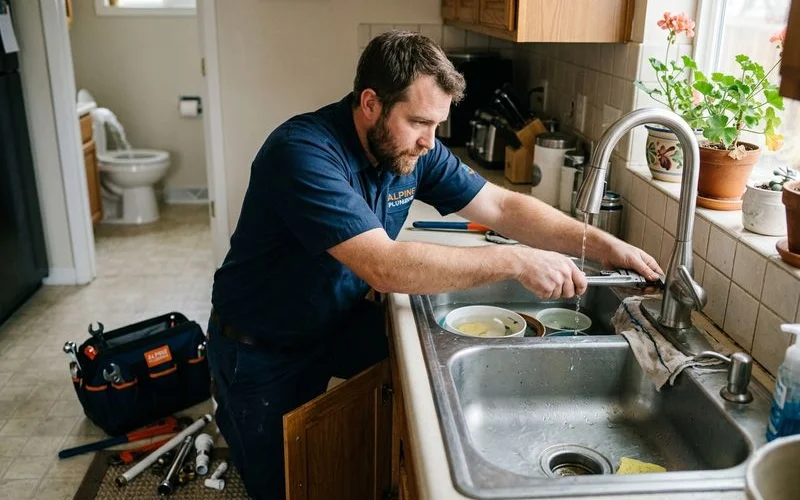
These scenarios represent genuine defects, but they are not destroying your property over the next 12 hours.
We recommend scheduling these repairs during normal operating times to protect your wallet. Local data indicates standard service calls in the Denver metro run between $75 and $300.
Delaying the repair until Monday morning avoids premium after-hours rates that often double your final bill.
A single slow drain
One sluggish shower or bathroom sink simply indicates a localized blockage. Built-up hair and solidified soap scum usually cause this annoying but harmless restriction.
Our plumbers advise avoiding harsh chemical drain openers, which eat away at older metal pipes.
Multiple fixtures slowing down simultaneously points to a larger main line restriction that requires faster attention.
A leaky faucet
A minor drip caught with a washcloth or small bowl does not justify a midnight panic. Worn-out rubber O-rings or degraded internal cartridges typically cause this steady dripping.
Our team notes that while one drip per second wastes 3,000 gallons annually, a single night changes very little.
- Place a small bowl under the drip.
- Lay a towel across the sink basin to silence the noise.
- Turn off the supply valves under the sink if the drip worsens.
Save your cash and simply schedule a standard appointment for the next business day.
A running toilet
A toilet that refuses to stop running creates high utility bills, but it will not flood your bathroom. A degraded rubber flapper valve inside the tank is usually the culprit.
We suggest turning the silver supply valve clockwise to halt the water flow completely.
- Lift the tank lid carefully.
- Check if the chain is tangled.
- Ensure the rubber flapper seals tightly.
You can easily flush manually using a bucket of water until a professional arrives during regular hours.
Low water pressure at one fixture
A sudden drop in flow at a single sink almost always points to a localized hardware restriction. Mineral deposits from hard water frequently clog the tiny screens inside the faucet aerator.
Our service calls often reveal trapped sediment blocking the internal mixing cartridge.
This frustration definitely warrants a professional fix, but it poses absolutely zero risk to your property.
A small drip under a sink
Finding a tiny puddle inside your vanity cabinet is annoying but manageable. Loose slip-joint nuts or degraded rubber washers under the P-trap typically cause these slow leaks.
Our temporary fix involves placing a plastic container underneath and wiping the wood dry.
Empty the bowl periodically and book a standard repair visit to replace the faulty connections.
A water heater that is older but still working
Traditional tank units generally last between eight and twelve years before requiring replacement. Hearing a rumbling or popping noise indicates hardened sediment boiling at the bottom of the tank.
We encourage homeowners to plan a proactive upgrade while the unit is still functioning.
Replacing a functioning water heater on your own schedule is nearly always cheaper than paying emergency installation rates after it bursts.
Taking control of the timeline saves your basement flooring and protects your budget.
A sump pump alarm during dry weather
Hearing a loud warning tone from the basement pit feels alarming. A dry basin simply means the mechanical float switch is stuck or the backup battery needs replacing.
Our technicians suggest gently tapping the discharge pipe to see if the stuck switch drops.
This scenario requires a functional inspection within the week, rather than a frantic same-day scramble.
Borderline cases: call and we will help
Some situations hover right on the edge of disaster. Calling an expert to explain the specific symptoms usually provides a clear, immediate answer.
Our dispatchers handle these gray areas through a rapid, two-minute phone triage process.
By sharing exact details, you ensure the right technician arrives with the correct tools.
- A water heater that just started leaking but has not failed yet (call same-day if dripping continuously)
- A drain backing up only when the washing machine runs (schedule, but mention it)
- A bathtub that drains slowly enough that water rises during a shower (schedule)
- A leak you found at a connection but contained with a bucket (schedule)
Our team can typically evaluate the risk right over the phone.
Tell the dispatcher exactly what you see, the estimated volume of water involved, and which shutoff valves you have already closed.
What to mention when you call
Providing accurate information speeds up the dispatch process tremendously. Having a few key details ready ensures the responding technician arrives fully prepared.
Our operators will guide you through a quick checklist while the truck is en route.
Prepare the following facts before dialing the phone:
- What is happening right now (“a copper pipe burst in the finished basement”)
- When the problem started (“we noticed the water pooling about 15 minutes ago”)
- What preventative steps you took (“I successfully shut off the main water valve”)
- Whether anyone or anything is at risk (“the basement breaker is off, and no water is near electrical outlets”)
- Your physical address and access details (Provide any Arvada community gate codes or tricky driveway instructions)
A money-saving note
Calling a technician at 2:00 AM carries a premium price tag. After-hours and weekend dispatch rates regularly run 50 to 100 percent higher than standard business operating hours.
Our pricing models reflect the overtime required to keep licensed experts on standby all night.
A true disaster justifies that unavoidable expense, as it prevents thousands in property destruction.
| Service Timing | Estimated Cost Multiplier | Best For |
|---|---|---|
| Standard Business Hours | Base Rate ($75 - $300 avg) | Slow drains, minor drips, running toilets |
| After-Hours & Weekends | 1.5x to 2.0x Base Rate | Active flooding, sewer backups, gas leaks |
Waiting until 8:00 AM for non-critical repairs leaves that extra cash securely in your bank account.
We recommend taking practical containment steps while you wait for the sun to come up.
For a comprehensive breakdown of those exact steps, review our what to do before the plumber arrives guide.
The simple rule
Determining the next step does not have to be complicated. Stop and ask yourself, is it a plumbing emergency causing active damage or a safety issue right now?
We use this exact criteria to dispatch our fleet across Arvada.
- Yes: Make the emergency call immediately.
- No: Secure the area and schedule a standard visit.
Asking this one crucial question filters out false alarms instantly. You get the exact level of response you need, without paying unnecessary premium fees.
We are standing by to help protect your home.
Contact our office today to schedule your standard repairs, or call our 24/7 hotline for immediate support.