mdx
Arvada winters are hard on pipes. We are ready.
Have you ever woken up on a freezing January morning to find your faucets completely dry?
It is a stressful feeling that no homeowner wants to experience. We see this exact scenario play out constantly across Arvada.
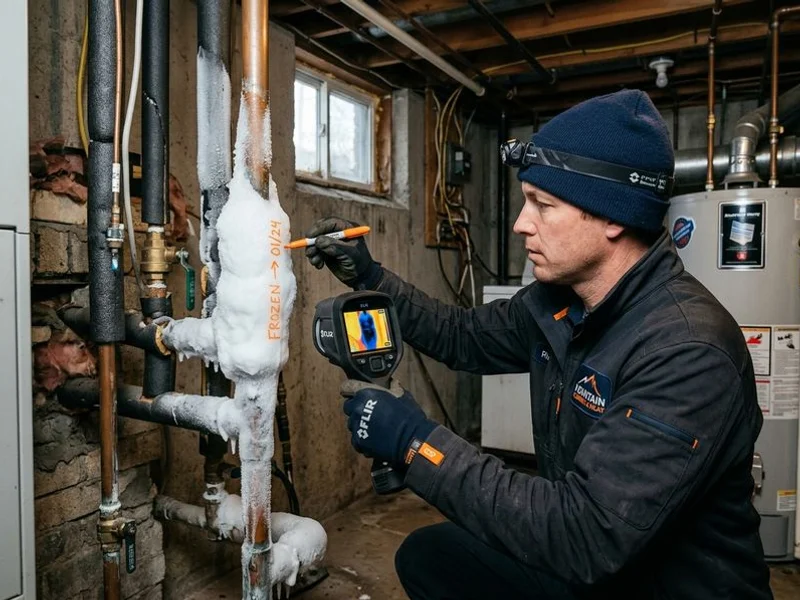
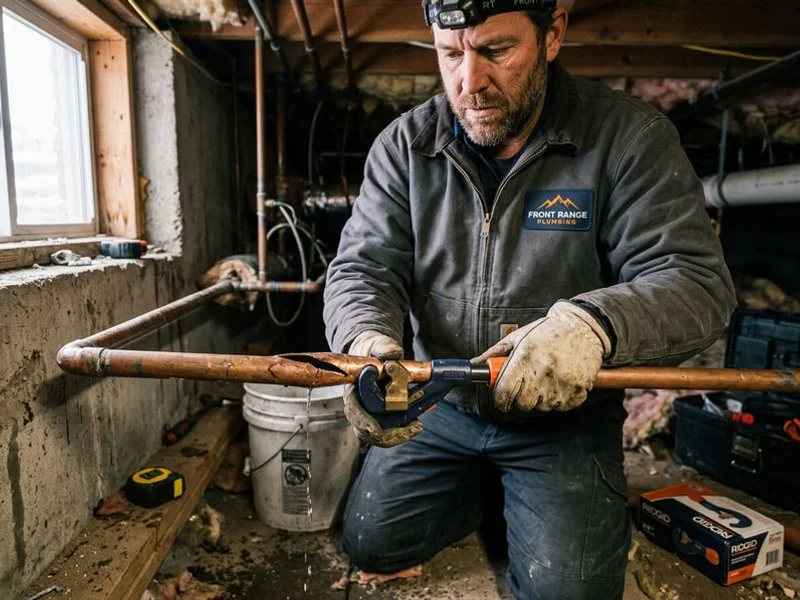
Colorado’s intense freeze-thaw swings put pipes at risk every single winter. The cold weather requires a proactive approach to protect your home. Our crew safely thaws frozen lines, repairs bursts fast, and helps you shut off water to limit the damage.
“A little preparation now can save you thousands of dollars in water damage later this winter.”
Fast action is the key to minimizing costly repairs. You will also get helpful advice on prevention so it does not happen again. We are available 24/7 for active emergencies, ensuring you never face a plumbing crisis alone.
Grab a warm drink, and let’s go through exactly what to do during a Frozen & Burst Pipe Repair. The process is simpler than you might think. Our team at Arvada Pro Plumbing is going to walk you through the exact steps we use.
Why Arvada Weather is So Hard on Your Plumbing
The temperature here can easily drop from a comfortable 60 degrees during the day down to minus 20 degrees at night. These rapid fluctuations create repeated freeze-thaw cycles that stress your plumbing system beyond its design limits. We know that the local climate presents a perfect storm of pipe-threatening conditions.
Local building codes in the Denver Metro Area require water lines to be buried at least 36 inches deep. This depth keeps the plumbing safely below the winter frost line. Our experience shows that aging pipes are especially vulnerable to cracking under this intense pressure.
“Most frozen pipe calls we get in Arvada involve homes built before modern frost-line codes were strictly enforced.”
Many older homes in Arvada have shallower lines that need extra protection. We frequently help homeowners identify these hidden weak spots before they burst.
Catching early warning signs can save you from a major flood. Keep a close eye on your system when the temperature drops. Our plumbers always tell homeowners to watch out for a few specific warning signs.
- Dripping faucets that suddenly stop: This is a clear indicator that ice is forming in the line.
- Strange odors coming from drains: Ice blockages can push gases back up into your sinks, mimicking the smell of severely clogged drains.
- Visible frost on exposed plumbing: Check the pipes in your crawlspace or unheated garage.
- Unusual water pressure changes: A sudden drop means water is struggling to push past an ice dam.
The True Cost of a Burst Pipe in Colorado
A standard burst pipe repair in the Denver metro area typically costs between $500 and $2,000 for the plumbing fix alone. That price tag only covers the immediate pipe replacement. We want you to be fully prepared for what a plumbing emergency actually involves.
Untreated leaks will ruin drywall and warp hardwood floors in record time. Mold growth can start spreading within just 48 hours of the initial break. Our crews have seen the devastating secondary damage these leaks cause.
- Flooded basements: Standing water destroys furniture and stored belongings.
- Structural rot: Continuous moisture weakens the wooden framing of your home.
- Electrical hazards: Water seeping into wall outlets creates a dangerous fire risk.
The total bill can easily exceed $5,000 if water floods your living spaces. Fixing related sewer backups will only add to that expensive nightmare. We strongly recommend acting quickly at the first sign of trouble to keep your repair costs as low as possible.
A small investment in preventative care makes a huge financial difference. It is always cheaper to protect your pipes than to replace them. Our table below breaks down the typical costs associated with cold-weather plumbing maintenance.
| Action | Estimated Cost (Denver Metro) | Potential Savings |
|---|---|---|
| Installing R-3 Foam Pipe Sleeves | $100 - $300 | Prevents a $2,000 burst pipe |
| Fixing Minor Leaks Early | $150 - $450 | Stops a $5,000 water damage claim |
| Emergency Burst Pipe Repair | $500 - $2,000+ | Zero (Reactive expense) |
How to Shut Off Your Water Quickly
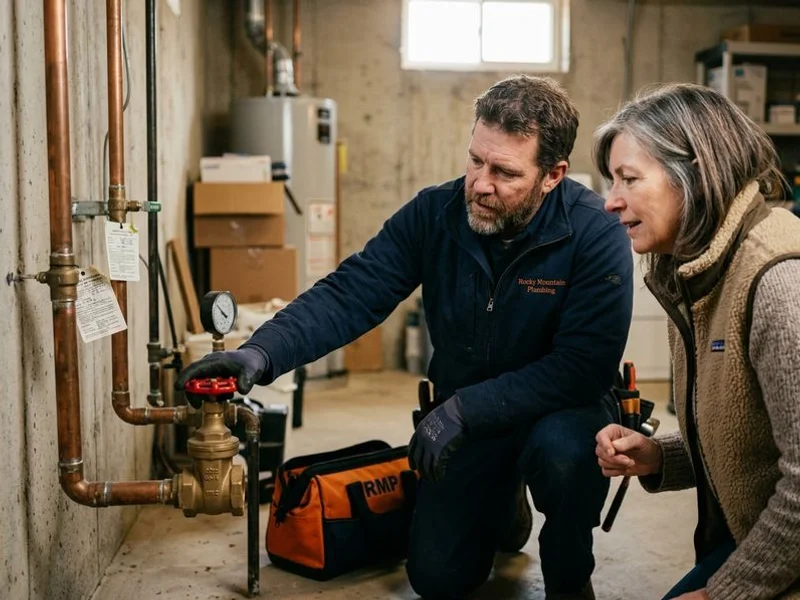
Knowing the exact location of your main shutoff valve is your best defense against water damage. Finding it quickly stops the flood before it ruins your belongings. We find that many homeowners panic and waste valuable minutes searching for this valve during a crisis.
The main water line usually enters an Arvada home through the foundation wall in the basement or crawlspace. The best insider tip is to look for the valve within three to five feet of where that pipe first comes inside. Our technicians always check this location first when arriving at an emergency.
“If your house has a crawlspace, the shutoff valve might be tucked away near the water heater. Always keep a clear path to it.”
Turn the valve clockwise until it stops to cut off the water supply completely. Testing this valve once a year ensures it turns smoothly and is not rusted stuck. We advise taking ten minutes this weekend to tag your shutoff valve with brightly colored tape.
A bright tag makes the valve easy to spot with a flashlight. It also helps other family members find it quickly. Our technicians can also help you locate and label it during a routine service visit.
Proven Strategies to Prevent Frozen Pipes
Protecting your plumbing before the temperature drops is much easier than dealing with a flood. Maintaining a warm environment is the easiest way to prevent freezing. We highly recommend keeping your indoor thermostat at a minimum of 65 degrees Fahrenheit throughout the winter.
This consistent heat keeps the walls warm during a cold snap. It helps prevent the pipes hidden inside those walls from icing over. Our next line of defense is proper insulation for any exposed plumbing.
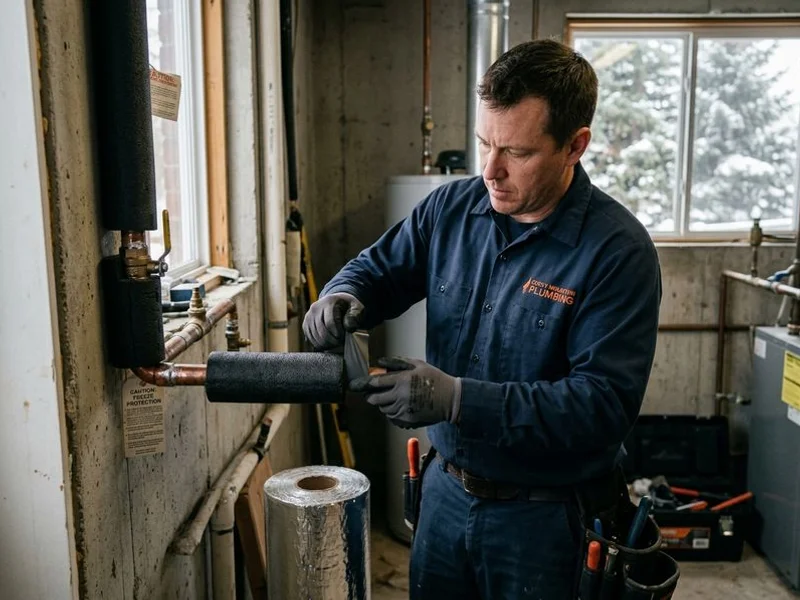
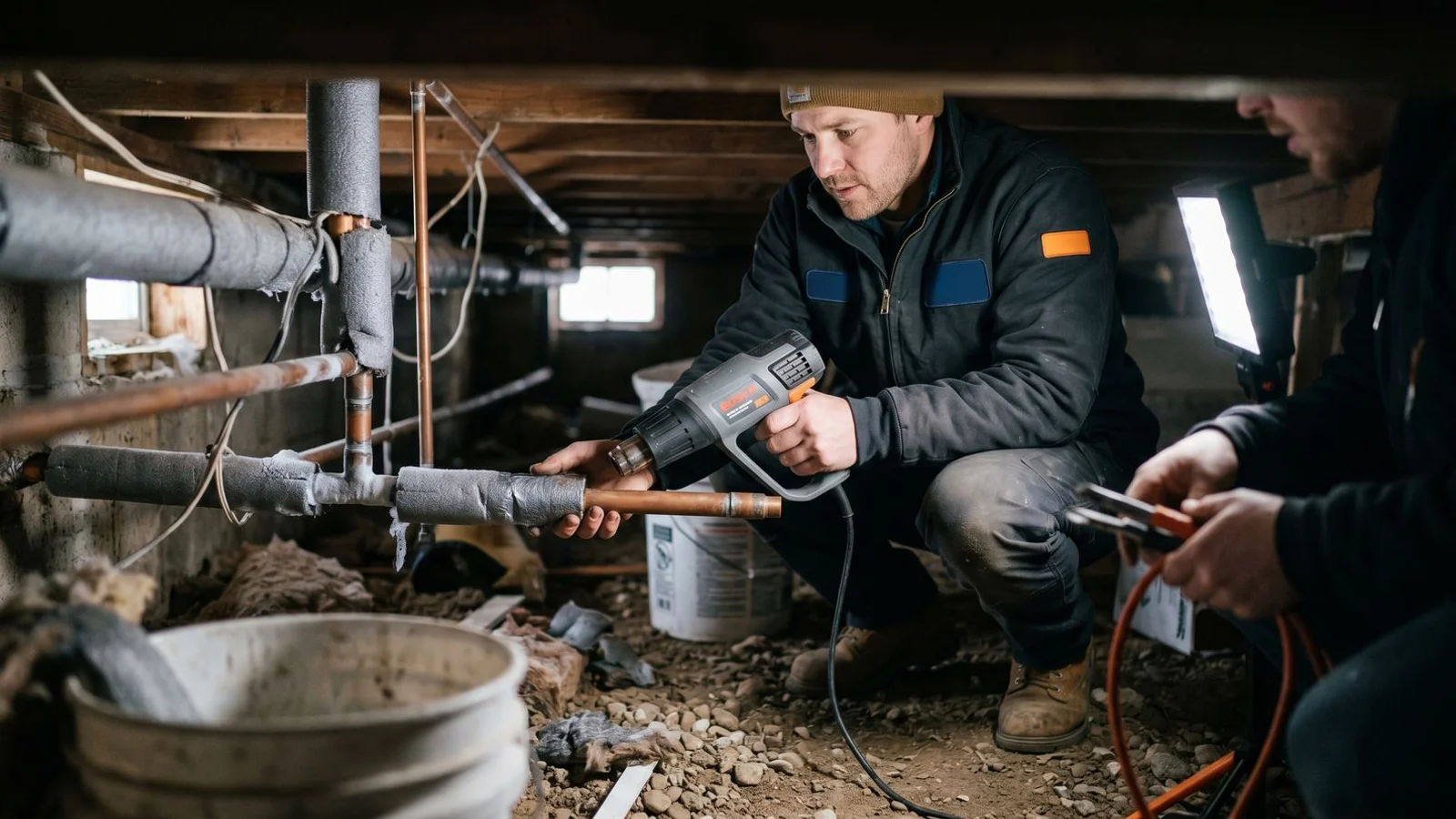
- Install R-3 foam sleeves: Wrap all exterior-facing pipes in your basement, garage, and crawlspace.
- Open cabinet doors: Expose the plumbing under your kitchen and bathroom sinks to warm room air during cold nights.
- Drip your faucets: Let a tiny trickle of cold water flow when the forecast calls for single-digit temperatures.
- Seal air leaks: Caulk any gaps or drafts near the areas where pipes enter your home.
Relieving the pressure inside the system is just as important as keeping the water moving. You do not have to handle a winter plumbing emergency by yourself. We are always ready to help you winterize your home if you do not want to tackle these steps alone.
A quick inspection can provide total peace of mind. Keep our number saved in your phone just in case. Our fast, reliable Frozen & Burst Pipe Repair services are just a phone call away when you need us most.
What our Frozen Pipes service includes
- Safe pipe thawing
- Burst pipe repair
- Emergency water shut-off
- Freeze prevention guidance
- Pipe insulation upgrades